

Iron is one of the essential trace elements. The body needs relatively little of it, yet it is vital for our health. Iron is part of haemoglobin and contributes to normal oxygen transport from the lungs to the tissues. It also contributes to the normal function of the immune system, the normal formation of red blood cells and a number of enzymatic reactions. The human body cannot produce iron on its own, so we depend on getting it from our diet. At the same time, more iron is not always better. Both iron deficiency and iron excess can cause health problems.
What will you learn in this article?
- What role does iron play in the body?
- Where is iron found in the body?
- Iron deficiency and anaemia
- What are the symptoms of iron deficiency?
- How is iron deficiency linked to insomnia or dark circles under the eyes?
- How does iron deficiency show up in children?
- Tests for iron deficiency
- Which form of iron should you take?
- When is it appropriate to take iron, and what are the risks of supplementation?
- How to get iron naturally from food
- What affects iron absorption?
- The risk of iron supplementation during infectious disease
- Key takeaways
What Role Does Iron Play in the Body?
Iron has many important functions in the body. The best known is its role in the formation of haemoglobin, the protein in red blood cells that transports oxygen from the lungs to the whole body.
Iron contributes to:
- the normal formation of red blood cells and haemoglobin,
- normal oxygen transport in the body,
- the normal function of the immune system,
- normal energy-yielding metabolism,
- normal cognitive function,
- the reduction of tiredness and fatigue.
Iron is also a component of a number of enzymes, and studies have linked iron status with thyroid hormone metabolism. [1]
If iron is lacking over the long term, the body gradually uses up its stores. Iron deficiency can exist even without anaemia, because a drop in haemoglobin may only appear at a later stage of the deficiency.
Where Is Iron Found in the Body?
In the human body, iron is distributed as follows:
- 60–70% of iron is found in red blood cells as part of haemoglobin,
- 20–30% is stored mainly in the liver as ferritin and haemosiderin,
- 5–10% is found in myoglobin in the muscles,
- smaller amounts are part of enzymes and other proteins,
- less than 1% of iron is bound to transferrin, which transports it through the bloodstream.
Ferritin is an important indicator of the body's iron stores. [2]
Iron Deficiency and Anaemia
Iron deficiency is one of the most common nutritional deficiencies. If the deficiency progresses, it can lead to iron deficiency anaemia.
In anaemia, the blood has a reduced ability to carry oxygen. Red blood cells may be smaller and contain less haemoglobin.
At first, however, anaemia may not be present at all. A person can have depleted iron stores and still have a normal haemoglobin level. Iron deficiency on its own can be associated with fatigue or reduced physical performance, for example.
What Are the Symptoms of Iron Deficiency?
The symptoms of iron deficiency can be subtle at first and are not always specific.
Possible signs include:
- fatigue and a lack of energy,
- weakness,
- pallor,
- shortness of breath during physical activity,
- dizziness or headaches,
- poorer concentration,
- reduced physical performance,
- cold hands and feet,
- hair loss,
- brittle nails,
- sleep problems,
- restless legs syndrome.
With more pronounced anaemia, the symptoms can be more intense, for example marked fatigue, shortness of breath or heart palpitations.
It is important to remember, however, that symptoms alone are not enough to confirm iron deficiency. Fatigue, hair loss or sleep problems can have many other causes.
How Is Iron Deficiency Linked to Insomnia or Dark Circles Under the Eyes?
Iron deficiency can also be linked to some sleep disorders. The best-described link is with restless legs syndrome, in which unpleasant sensations in the legs create an urge to move them. This can make it much harder to fall asleep or disrupt sleep. Insomnia on its own, however, does not indicate iron deficiency.
Dark circles under the eyes are neither a specific nor a reliable sign of iron deficiency. Their appearance can be influenced by genetics, natural skin pigmentation, fatigue and lack of sleep, allergies and changes in the tissue under the skin.
With significant anaemia, the skin may be paler, so dark circles can look more noticeable. Dark circles alone, however, are not a reason to take iron.
If they appear together with marked fatigue, pallor, shortness of breath or other symptoms, it makes more sense to check your iron status with a blood test.
How Does Iron Deficiency Show Up in Children?
Children need iron not only for forming haemoglobin but also for growth. Iron contributes to the normal cognitive development of children.
That is why it is important to detect iron deficiency in children early. The WHO points out that iron deficiency in young children can negatively affect brain development and later learning and school performance.
Possible symptoms include:
- fatigue and less energy,
- pallor,
- irritability,
- poorer concentration,
- learning difficulties,
- poorer school performance,
- headaches,
- dizziness,
- shortness of breath during physical activity,
- reduced appetite,
- restless legs syndrome,
- cravings for non-food substances, such as ice, paper or soil.
In children, iron deficiency can be present even without clearly visible symptoms. If a deficiency is suspected, it is therefore advisable to check iron status with a laboratory test.
Tests for Iron Deficiency
Iron deficiency cannot be reliably identified from symptoms alone. A blood test is needed to confirm it. The basis is a complete blood count together with tests of iron stores.
Which values are checked for iron deficiency?
Important parameters include:
- ferritin: shows the body's iron stores,
- haemoglobin (Hb): helps detect anaemia,
- MCV: indicates the size of red blood cells,
- transferrin,
- transferrin saturation.
Ferritin is one of the most important indicators of iron stores. A low value usually points to depleted stores. Its interpretation is more complicated during infection or inflammation, however, because ferritin can rise in these situations. [2]
That is why iron should not be assessed based on a single lab value without context. If you suspect iron deficiency, it is best to have a blood test first and then decide on any supplementation based on the results.
Which Form of Iron Should You Take?
Iron is used in dietary supplements in various chemical forms. The individual forms can differ, for example, in their elemental iron content, absorption and tolerability.
Common forms include:
- ferrous sulphate,
- ferrous fumarate,
- ferrous gluconate,
- various ferric compounds,
- iron bisglycinate,
- other organic and complex forms of iron.
When choosing a supplement, it is important to look not only at the amount of the whole compound but above all at how much elemental iron the recommended daily dose contains.
Iron bisglycinate
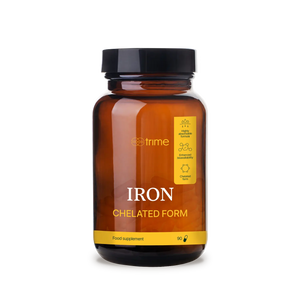
Iron bisglycinate is one of the chelated forms of iron. In this form, iron is bound to two molecules of glycine.
Bisglycinate is used in dietary supplements partly because it is a form that tends to be well tolerated. When choosing a supplement, however, the specific dose, your individual needs and your overall iron status always matter.
In general, iron supplementation is not appropriate based on non-specific symptoms alone. Ideally, check your iron status with a laboratory test first.
When Is It Appropriate to Take Iron, and What Are the Risks of Supplementation?
Although the symptoms of iron deficiency can be fairly common, it is not advisable to start taking iron automatically. The body regulates its iron levels mainly through absorption in the intestine, and the hormone hepcidin plays an important role here.
Excess iron can be a problem for the body. Iron is a reactive element, and too much of it can contribute to oxidative stress and cell damage. A long-term high iron intake or an overdose can therefore be risky. [3]
Take special care with children
Acute iron overdose can be very dangerous for young children. Always keep iron-containing supplements out of children's reach.
How to Get Iron Naturally from Food
Iron occurs in food in two forms: heme iron and non-heme iron. Heme iron is found in animal products, is better absorbed, and its richest sources include organ meats and red meat. The non-heme form of iron is abundant in plant sources, but it is also found in animal products. This form is less well absorbed and less usable. As a result, people who get little heme iron from their diet (vegetarians or vegans) are at greater risk of iron deficiency and anaemia. [4]
What Affects Iron Absorption?
Iron absorption is influenced by many factors. It is governed by the body's demand: when the need for iron is higher (for example during pregnancy), absorption is higher too. Conversely, absorption decreases with age.
For non-heme, or plant, iron, proper absorption requires an acidic stomach environment with enough hydrochloric acid. That is why people taking medications that reduce stomach acidity (antacids or proton pump inhibitors) will absorb iron from their diet less well.
Dietary factors also play a key role in the absorption of plant iron. Phytates, which are abundant in cereals and legumes, form insoluble complexes with iron and make it harder to absorb. Preparing legumes and cereals appropriately (soaking, sprouting) can reduce the amount of these antinutrients. The absorption of non-heme iron is also reduced by oxalates, large amounts of fibre, and caffeine or tea, for example. Calcium acts as an antagonist, which means it competes with iron for binding sites. To help prevent a possible iron deficiency, it is not recommended to eat dairy products together with iron-rich foods. Iron supplements are best taken away from meals and not washed down with coffee, tea or milk.
The absorption of plant iron, on the other hand, is supported by vitamin C, so it is a good idea to eat meat with vegetables, add a squeeze of lemon to legume dishes or simply add fresh green herbs. Combining heme and non-heme iron also increases absorption.

The Risk of Iron Supplementation During Infectious Disease
Iron supplementation is not appropriate during acute inflammation or infectious disease. The growth and multiplication of many bacteria depend on iron intake, and there is a proven link between iron availability and the ability of pathogens to cause disease. Conditions associated with iron excess may therefore increase the risk of infection. [5][6]
Key Takeaways
Iron is essential, but the amount needs to be balanced: it contributes to the normal formation of haemoglobin, normal oxygen transport, the normal function of the immune system and normal energy-yielding metabolism.
Deficiency symptoms can be subtle: they include above all fatigue, weakness, pallor, poorer concentration, reduced physical performance or shortness of breath. Hair loss, brittle nails or sleep problems may also appear.
Iron deficiency does not have to mean anaemia: iron stores can be depleted before haemoglobin drops.
Iron deficiency in children should be addressed early: iron contributes to the normal cognitive development of children.
A test is more reliable than assessing symptoms: ferritin is an important indicator of iron stores and should be interpreted together with other lab values, taking any inflammation into account.
Choosing the right form of supplement: iron bisglycinate is one of the forms used in dietary supplements. When choosing, focus above all on the amount of elemental iron and your individual tolerance.
Taking iron without checking your status is not recommended: iron should not be taken preventively without a reason. Too much can be harmful, so if you suspect a deficiency, check your status with a blood test first.
Diet and absorption matter: heme iron from animal sources is generally better used by the body, while the absorption of non-heme iron from plant foods depends on the overall composition of your diet. Vitamin C supports its use.
Sources:
[1] Chatterjee S, Chakrabarti P, Sinhamahapatra P. Relationship between iron metabolism and thyroid hormone profile in hypothyroidism. International Journal of Research in Medical Sciences. 2021;9(3):790–793. https://www.msjonline.org/index.php/ijrms/article/view/9269
[2] Peyrin-Biroulet L, Williet N, Cacoub P. Guidelines on the diagnosis and treatment of iron deficiency across indications: a systematic review. Am J Clin Nutr. 2015;102(6):1585–1594. doi:10.3945/ajcn.114.103366. https://www.sciencedirect.com/science/article/pii/S0002916523272330?via%3Dihub
[3] Yuen HW, Becker W. Iron Toxicity. In: StatPearls. Treasure Island (FL): StatPearls Publishing; updated 2023 Jun 26. https://www.ncbi.nlm.nih.gov/books/NBK459224/
[4] Pawlak R, Berger J, Hines I. Iron Status of Vegetarian Adults: A Review of Literature. Am J Lifestyle Med. 2016;12(6):486–498. doi:10.1177/1559827616682933. https://journals.sagepub.com/doi/10.1177/1559827616682933
[5] Patruta SI, Hörl WH. Iron and infection. Kidney International. 1999;55(Suppl 69):S125–S130. doi:10.1046/j.1523-1755.1999.055Suppl.69125.x. https://www.kidney-international.org/article/S0085-2538(15)46246-5/fulltext
[6] Pieracci FM, Barie PS. Iron and the risk of infection. Surg Infect (Larchmt). 2005;6(Suppl 1):S41–S46. doi:10.1089/sur.2005.6.s1-41. https://journals.sagepub.com/doi/10.1089/sur.2005.6.s1-41


